Office Clearance in Brompton

Office Clearance Brompton provides a structured service for clearing workspaces, removing unwanted office furniture and dealing with mixed commercial contents in a way that keeps the process orderly. It suits businesses that need desks, chairs, cabinets, IT peripherals, archive material or general equipment taken away without turning the premises upside down. The aim is straightforward: clear the required space, separate reusable items where possible, and leave the remaining area ready for the next stage of use.
Our office clearance work can support refurbishments, relocations, lease-end handovers and general reductions in surplus items. We handle typical office contents carefully, from everyday furniture to awkward items that need planning before removal. Where access is tight, floors need protection or items have to be moved through shared areas, the work is planned around the building rather than forced through it. That makes the service practical for managed offices, converted properties and smaller workplaces as well as larger suites.
If you need office clearance arranged in Brompton, start with a clear list of what has to go and what should stay. If you are comparing options, a quotation is easiest to prepare when the scope is defined by room, floor or item type. You can request a quotation once you know the main areas that need clearing.
Workstation, furniture and storage clearance
Office clearance often begins with the items that take up the most physical space. Workstations, desks, conference tables, storage cupboards, filing cabinets and office chairs can all be grouped into a single planned removal, provided the order of work is sensible. Separating these pieces by type makes it easier to decide what can be lifted intact, what needs dismantling and what should be carried out in stages. This is particularly useful where the layout is busy or the building has shared corridors.
We also deal with the less obvious contents that accumulate in an office over time. That may include shelving, reception furniture, pedestal units, small meeting-room tables, soft seating and general storage items. Not every job is about a complete strip-out; sometimes the better approach is to remove only selected categories, allowing the business to keep useful furniture in place. If you are unsure what should be included, a simple room-by-room note usually gives enough structure for planning.
Choosing what stays and what leaves
Clearance work is usually more efficient when the retained items are identified before the team arrives. That can include desks that will be reused, fixed cabinetry, items reserved for another department or equipment being transferred elsewhere. Marking those items in advance reduces confusion and helps keep the process organised. Where there are mixed contents in the same area, it is often best to create a short separation list so that removal decisions are consistent across the whole office.
Archive, paper and mixed contents removal

Many office clearances involve more than furniture. Cupboards, boxed records, paper files, stationery, marketing stock and general mixed contents can create a backlog that slows down a move or handover. These items need a sensible sequence so the work does not become disorganised. Archive removal is especially important where there are different file categories, because items may need to be kept secure until the relevant decision has been made about disposal or retention.
When a workspace contains both equipment and paperwork, the main practical point is to avoid treating everything as one undifferentiated load. Mixed contents should be sorted into clear groups so the right material is taken away and the right material remains on site. If the office includes stock rooms, archive cupboards or shared storage areas, the clearance can be planned by zone. That approach keeps the work manageable and reduces the chance of unnecessary movement through occupied parts of the building.
For enquiries, it helps to describe the volume and type of contents rather than simply saying the office needs clearing. A few notes about filing cabinets, loose paperwork, archive boxes or miscellaneous storage make the quotation more accurate. If there are sensitive items, blocked areas or restricted access, mention those as well. The clearer the picture, the easier it is to match the work to the right clearance method.
IT equipment, meeting rooms and specialist office items
Office clearances can include equipment and fittings that need more care than standard furniture. Desktop computers, monitors, printers, docking stations, telephones, meeting-room screens and presentation equipment all have to be handled in a controlled way so they can be removed without unnecessary disruption. Even when items are no longer in use, they often sit around desks, cable trays, storage shelves and side rooms, which means the removal sequence matters as much as the lifting itself.
We also clear meeting rooms, reception areas and breakout spaces where the contents are varied and not always obvious at first glance. These areas may include display units, tables, chairs, soft furnishings, small appliances and decorative pieces. In some workplaces, one room can contain a mixture of useful items, obsolete fittings and general clutter. A sensible office clearance separates those categories before removal begins, which helps the business keep control over what is leaving the site.
If an office contains equipment that is being moved to another department, kept for reuse or prepared for replacement, it is worth identifying it early. That avoids items being collected by mistake and keeps the clearance on track. For businesses seeking a quotation, a brief inventory of the main items usually works better than a long narrative. It gives the practical details needed to judge access, handling and removal time without creating confusion.
Planning office clearance around access and building rules

Access is one of the most important parts of office clearance because the route out often affects the whole job. Lifts, stairs, loading bays, corridors, shared entrances and building rules can all influence how items are removed. If the office is in a managed building, there may be restrictions on timing, noise, parking or the use of service routes. Planning around those limits makes the process smoother and helps avoid delays once the work begins.
In practice, the best clearances are usually the ones where the basic logistics have been thought through before the team arrives. That includes knowing which floor the office is on, whether there are narrow turns, whether bulky items need dismantling and whether anything has to be removed from basement, attic or split-level spaces. These details do not need to be complicated. They simply help the work proceed in an orderly way rather than turning into repeated lifting and backtracking.
Where several rooms are involved, it is sensible to decide on a route that keeps clear and cleared areas separate. That is especially useful in offices that remain partly operational during the clearance. A well-planned route means staff can continue their work more easily while the clearance progresses. If you are preparing a quotation request, you can say whether access is straightforward or whether special building arrangements apply; that is often enough to frame the job accurately.
How to prepare a useful quotation request
A good quotation request for office clearance does not need to be lengthy. A short description of the office size, the main item types and the access conditions is usually enough to start. If there are multiple areas, such as a reception, open-plan workspace, meeting rooms and storage rooms, list them separately. That makes it easier to understand the overall scope. If any items are staying on site, note them clearly so the clearance plan does not need to be adjusted later.
Two practical points are usually enough to include: what must be removed and how the property can be accessed. If there are fixed times when work can happen, or if the building requires notice for large removals, mention that too. It is better to give a concise, accurate summary than a broad one filled with guesswork. That keeps the quotation focused on the real work rather than assumptions, and it reduces the need for repeated clarification afterwards.
For a simple next step, send the main details and ask for a quote. If the clearance involves several types of contents, the team can usually group them sensibly once the scope is understood. The aim is to make the process efficient without losing sight of the items that need to stay, move or be removed first.
Office clearance for relocation, refurbishment and handover

Different business situations call for different clearance priorities. A relocation may need selected furniture removed in good order so only the surplus remains. A refurbishment may require the office to be emptied in phases so contractors can work safely. A lease-end handover may need the premises cleared back to a defined condition with attention to remaining items, loose contents and any overlooked storage areas. The same service can support all three, but the sequence of work should match the objective.
Where time is tight or several teams are involved, the most useful approach is often to divide the office into zones. That allows one part to be cleared while another is still in use or awaiting sign-off. It also helps when decisions are being made about retained fixtures and movable items. We can work through the space in a sensible order so the office does not become harder to navigate as the clearance progresses. pricing and quotations can then reflect the actual scope rather than a rough estimate based on the whole building.
Different contents also need different handling, even when they are all part of the same job. Furniture may be removed in one stage, loose contents in another and archive or equipment items in a final pass. That staged approach is especially useful where managers want to keep control of what has gone and what is still pending. A clear plan makes it much easier to hand the office over with confidence.
About Brompton
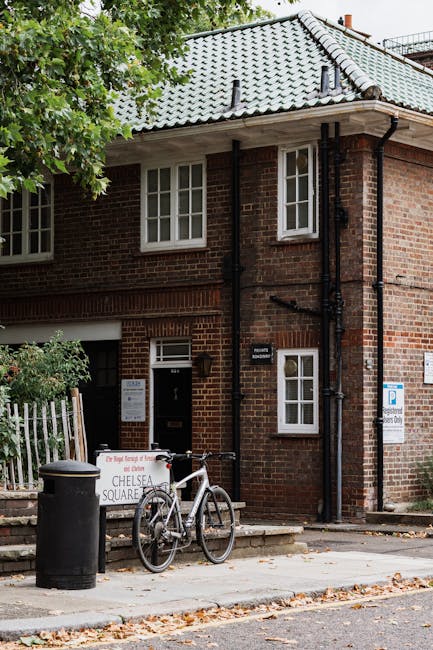
Brompton is a district in west London best known for its association with the Royal Borough of Kensington and Chelsea and for its position close to several major cultural and commercial landmarks. The area includes streets and squares shaped by nineteenth-century development, and its character is influenced by both residential terraces and institutional buildings. Brompton Road is one of the best-known thoroughfares in the district, linking Knightsbridge with South Kensington and giving the area a clear east-west axis. The nearby Brompton Oratory, formally the Church of the Immaculate Heart of Mary, is a prominent landmark with a dome that stands out in the local skyline. The Natural History Museum, the Victoria and Albert Museum and the Science Museum all sit within reach of the wider Brompton and South Kensington area, creating an environment where historic architecture and major cultural institutions sit close together. Green space is also part of the district’s identity, with Hyde Park and Kensington Gardens nearby, while smaller garden squares and tree-lined streets give the neighbourhood a more intimate feel away from the larger routes. The area’s fabric reflects a mix of older mews, stucco-fronted terraces, institutional frontage and later redevelopment, which means that its streetscapes can feel refined without being uniform. As a place name, Brompton is often used in connection with the wider South Kensington and Knightsbridge districts, yet it retains its own identity through local landmarks, road patterns and long-standing associations with central London life.
Clearance methods, sorting and responsible removal
Office clearance is rarely just a matter of taking objects away. It also involves sorting, lifting, loading and deciding how the contents should be grouped before removal. In a business setting, that can mean separating standard office furniture from reusable items, dividing mixed storage from equipment and keeping any designated materials apart from the rest. The more clearly those groups are defined, the easier it is to maintain order throughout the work.
Some offices contain a mixture of everyday items and less obvious contents such as shelving, loose fittings, accessories, packaging or redundant display pieces. A careful clearance gives each category the attention it needs instead of rushing everything into one pass. Good preparation supports good removal, particularly when there are items of different sizes or weights. If the office contains fragile items or anything that needs dismantling before removal, that can be built into the process from the start.
Our approach is designed to fit real office conditions rather than an idealised empty room. That means accounting for corners, stairwells, narrow entrances and the practical order in which spaces can be emptied. Where items are bulky, awkward or located in several rooms, the work is easier when the contents are assessed as part of a single plan. That keeps the removal orderly and helps the space return to use more quickly once the unwanted items have gone.
Office clearance choices for busy workplaces

Busy workplaces often need clearance work that can happen without creating confusion for staff or visitors. That may mean working in sequence, using one zone at a time, or removing contents in a way that keeps routes open. The same principle applies whether the office is still operating, being prepared for a move or being readied for a complete change of use. What matters is that the clearance reflects the workplace, not the other way round.
Some businesses want a broad removal; others need a more selective approach. A selective clearance can focus on redundant furniture, unused storage, old meeting-room pieces or contents from one department only. That flexibility is one of the main strengths of a professional office clearance service. It allows you to remove what has become surplus while keeping useful items in place, reducing disruption and avoiding unnecessary disposal of things that still have a role.
Contact us to request a quotation for office clearance in Brompton and share the main details of the workspace, access and items involved. If you already know the rooms or item types that need attention, that is enough to begin. You can also ask for a tailored plan if the clearance needs to be phased across different areas or tied to a move, refurbishment or handover.