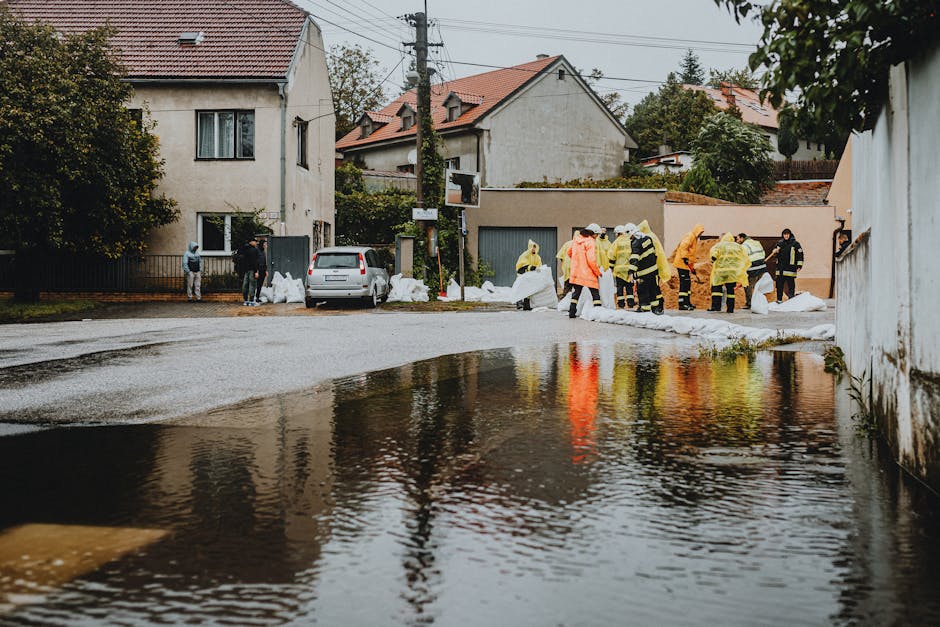
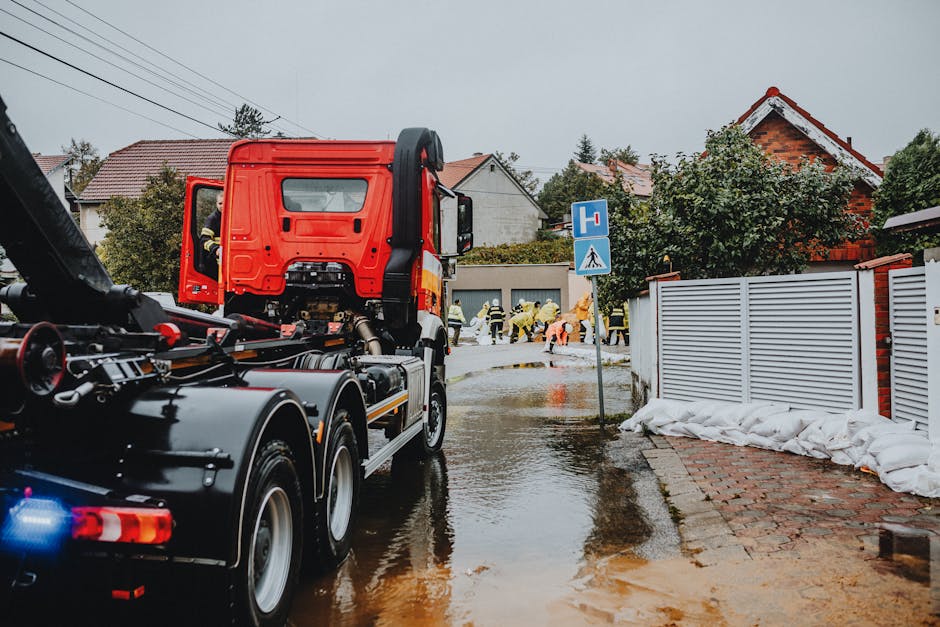
Emergency Rubbish Clearance After Flooding in Brompton
Flooding leaves more than a wet floor and a bad smell. It leaves ruined furniture, soaked carpet, broken plasterboard, mud, packaging, and a long list of things that suddenly need to go. If you are dealing with Emergency Rubbish Clearance After Flooding in Brompton, the job is usually urgent, messy, and a bit overwhelming. Truth be told, most people do not need a lecture at that point. They need a clear plan, fast removal, and someone who understands that a flooded property is not a normal clearance job.
This guide explains what emergency flood-related rubbish clearance involves, when it makes sense to act fast, what gets removed, how the process works, and what to watch out for. It also covers practical steps, compliance considerations, and a few local realities that matter in Brompton and the wider London area. If you are trying to work out your next move after a flood, you are in the right place.
For broader support beyond flood waste alone, you may also find it useful to look at house clearance in London, rubbish removal in London, or the more focused emergency clearance service if the situation is time-sensitive.
Table of Contents
- Why Emergency Rubbish Clearance After Flooding in Brompton Matters
- How Emergency Rubbish Clearance After Flooding in Brompton Works
- Key Benefits and Practical Advantages
- Who This Is For and When It Makes Sense
- Step-by-Step Guidance
- Expert Tips for Better Results
- Common Mistakes to Avoid
- Tools, Resources and Recommendations
- Law, Compliance, Standards, or Best Practice
- Options, Methods, or Comparison Table
- Case Study or Real-World Example
- Practical Checklist
- Conclusion
- Frequently Asked Questions
Why Emergency Rubbish Clearance After Flooding in Brompton Matters
Flood damage is not just a cleaning issue. Once water gets into a property, it can soak into textiles, timber, plasterboard, underlay, storage boxes, and insulation. Some materials can be dried and salvaged, but plenty cannot. The longer damaged items stay indoors, the more likely you are to get lingering odours, mould growth, and a home that feels impossible to reset.
In a place like Brompton, where properties can be compact, access may be tight and hallways may already be awkward. That makes delayed waste removal even more frustrating. A pile of soaked rubbish in a narrow stairwell is not only unpleasant, it can block movement and make recovery slower. And let's face it, when your home already smells damp and sounds like dripping taps in the background, the last thing you want is a heap of ruined furniture sitting there for days.
Emergency clearance matters because it helps create a safe, workable space again. It lets surveyors, insurers, tradespeople, and cleaners do their jobs properly. It also reduces the risk of cross-contamination from floodwater, which may contain mud, sewage, or other contaminants depending on the source of the flooding. That is why speed matters, but so does sensible handling.
Practical takeaway: if items have been soaked and are unlikely to recover, removing them quickly is often the first real step toward drying, disinfecting, and repairing the property.
In many cases, this kind of work sits alongside other property recovery services. If the flood has affected an entire flat, house, or commercial unit, a broader flat clearance or property clearance approach may be more efficient than piecemeal removal.
How Emergency Rubbish Clearance After Flooding in Brompton Works
The process is usually straightforward, but the details matter. A good flood clearance service will aim to respond quickly, assess the waste safely, and remove damaged items with minimal disruption. The first conversation normally focuses on what has been affected, how much needs removing, whether the property is still wet, and whether there are any access issues.
Because flooding creates mixed waste, crews often need to separate items that can be recycled from those that have to be treated as general waste or, in some cases, contaminated waste. That may include waterlogged furniture, damaged white goods, ruined carpets, wet cardboard, broken shelving, and saturated soft furnishings. If electrical items have been flood-damaged, they should be treated carefully and not casually tested or plugged in. That sounds obvious, but in a stressful moment people do odd things. We have all seen the urge to "just check if it still works". Best not.
Once the team arrives, they will normally:
- Assess the site and identify priority items.
- Confirm what can be safely handled and what needs extra caution.
- Remove damaged rubbish in a controlled order, usually starting with the heaviest or most obstructive items.
- Separate reusable, recyclable, and disposable materials where practical.
- Load and transport the waste for lawful disposal.
- Leave the area clearer so drying and remediation can continue.
The best services work around the real state of the building, not an ideal one. In a half-flooded basement, for example, access may be limited and the smell may be sharp. In a flat, you may need careful lift or stairwell handling. Good planning keeps the job moving without turning the property into an even bigger mess.
If you need more general support after a household incident, a compassionate house clearance approach can also be helpful when the property contains personal belongings that need sensitive handling.
Key Benefits and Practical Advantages
Fast flood rubbish removal does more than make the place look better. It supports the whole recovery process. Here are the main benefits in plain English.
| Benefit | What it means in practice | Why it matters after flooding |
|---|---|---|
| Faster drying | Less clutter means better airflow and access | Wet materials can dry out sooner, reducing secondary damage |
| Lower contamination risk | Damaged items are removed before they spread mud or odour | Useful where floodwater may have been dirty or contaminated |
| Safer access | Cleared walkways and rooms | Trades, cleaners, and insurers can inspect the property properly |
| Less stress | One urgent job handled professionally | Gives you some breathing room when everything feels urgent |
| Better salvage decisions | What is worth keeping can be separated from what is not | Helps you avoid accidentally throwing away items that can still be saved |
There is also a practical mental benefit that people often underestimate. Seeing progress matters. A cleared room changes the tone of the whole recovery. It replaces panic with momentum. Small thing, maybe. But when your day has been nothing but damp socks, broken boxes, and the sound of water sloshing somewhere you do not want it, momentum is a big deal.
For bigger jobs involving multiple rooms or bulky waste, it may be more efficient to combine flood clearance with bulky item collection or, where relevant, a full domestic clearance.
Who This Is For and When It Makes Sense
This service is useful for homeowners, tenants, landlords, estate agents, housing managers, and business owners dealing with flood-affected waste. It is particularly relevant if the property is in a state where normal bin collections or small local disposal methods are not enough.
You may need emergency clearance if:
- Floodwater has soaked furniture, carpets, or underlay.
- Damaged belongings are blocking access to rooms or exits.
- You need the property cleared so drying or repairs can start.
- The flood has affected a basement, storage area, or rear room with bulky waste.
- You are handling a rental property and need to prepare for contractors or inspection.
- You are trying to avoid mould, pests, or lingering smells.
It also makes sense when timing is critical. Maybe the dehumidifiers are arriving, maybe an insurer wants photographs, or maybe a builder is due next morning and the room still looks like a swampy storage locker. The point is not just to "get rid of stuff"; it is to create the conditions for the next stage.
For landlords and property managers, this can be especially important after a tenant-reported flood or escape of water. A coordinated response that includes clearance, waste removal, and onward repairs usually saves time later. If you manage more than one type of property, the service may sit alongside office clearance or other commercial waste services depending on what has been affected.
Step-by-Step Guidance
If you are dealing with flood waste right now, the following sequence is usually the safest and least stressful way to handle it.
1. Make the area safe first
Before anything else, check for obvious hazards: standing water near electrics, broken glass, unstable furniture, or a strong sewage smell. If there is any doubt, stay out of the area until it is safer. Not glamorous advice, but genuinely the right place to start.
2. Separate salvageable items from damaged waste
Some things may dry and survive. Others will not. Paper records, mattresses, soaked upholstery, swollen chipboard, and saturated insulation are usually poor candidates for keeping. Hard surfaces may be cleanable, but fabrics and porous materials are a different story. If you are unsure, set items aside for a second look rather than deciding in a panic.
3. Photograph the damage
Take clear photos before clearance begins. This can help with insurance conversations and your own records. Capture wide shots and close-ups. A quick phone gallery is enough. No need for perfection, just usable evidence.
4. Book a prompt clearance slot
The sooner the waste is removed, the sooner drying and repairs can begin. Explain the size of the job honestly. Mention stairs, parking restrictions, basement access, or anything else that could slow the crew down. A five-minute heads-up can save an hour on site.
5. Keep hazardous or uncertain items separate
If you suspect contaminated water, broken chemicals, medical waste, or flood-damaged electrical equipment, flag it early. Some items need special handling or may need to be excluded from standard rubbish removal. This is one of those areas where guessing is not a good hobby.
6. Clear routes for removal
If possible, make stairwells, hallways, and doorways passable. Move pets, children, and unnecessary belongings out of the way. Even a small amount of extra space can make the work safer and faster.
7. Follow through with drying and remediation
Removal is only one part of recovery. Once the rubbish is gone, drying, sanitising, and repair work can begin properly. That is where the property starts feeling liveable again.
Expert Tips for Better Results
There are a few things that make flood clearance work better in practice, and these are the details people often miss.
- Act before odours settle in. Once wet furniture and textiles sit for long enough, the smell becomes harder to shift. Early removal is simply easier.
- Tell the crew exactly what has been flooded. A basement that took on rainwater is different from a kitchen affected by dirty backflow. The handling plan may change.
- Keep important documents and valuables separate. Small items get lost in flood chaos very easily. Put passports, keys, photos, and contracts in one dry place.
- Do not over-handle soft furnishings. Wet cushions, mattresses, and rugs can be heavy and awkward. They are best moved by people used to it.
- Ask about sorting and disposal. Reputable clearance teams will usually explain how they separate reusable, recyclable, and waste materials.
- Plan the next 24 hours, not just the removal. If the room will be drying overnight, make sure you know where access needs to stay open.
One useful rule of thumb: if a job feels too large for one bin, it probably needs more than a bin solution. Sounds obvious, but flood situations can distort judgment. You look at one damp wardrobe and think, maybe this is manageable. Then the understairs cupboard opens up and, well, it is not.
If you are trying to reduce the total amount of waste during a larger reset, a hoarder clearance style approach to sorting can be helpful for properties where flood damage has affected long-stored items and blocked areas.
Common Mistakes to Avoid
Flood recovery is busy enough without creating extra problems. These are the mistakes that tend to make the process slower, messier, or more expensive.
- Leaving wet rubbish in place for too long. This gives mould and odour more time to develop.
- Trying to save everything. Some items are simply not worth the risk once they have been saturated.
- Mixing everything together. Keep damaged belongings, hazardous items, and anything you want to keep in separate groups if possible.
- Ignoring access issues. Tight stairs, parking limits, or lift restrictions can affect planning.
- Assuming flood waste is always ordinary household rubbish. It is not always that simple, especially if contamination is involved.
- Throwing away records or sentimental items too quickly. A second check can save a lot of regret later.
Another common mistake is waiting until the whole property is "ready" before booking help. In real life, properties are often cleared in stages. That is normal. A good team can work around drying equipment, tradespeople, and ongoing insurance inspections. Perfection first? Usually not necessary.
Tools, Resources and Recommendations
You do not need a van full of fancy gear to deal with flood rubbish, but a few basics help.
- Heavy-duty gloves: useful for handling wet or sharp debris.
- Face covering or mask: sensible when dealing with dusty, mouldy, or contaminated materials.
- Torches or head torches: helpful in basements, cupboards, or low-light rooms.
- Strong bin bags and rubble sacks: only for smaller safe items, not for oversized soaked furniture.
- Phone camera: for photos before and after clearance.
- Notepad or notes app: for listing items you want to keep, insure, or dispose of.
From a service perspective, it helps to work with a clearance provider that understands both domestic and commercial scenarios. For instance, if the flood affected stock, archive materials, or equipment, a more flexible commercial clearance option may be a better fit than a simple one-off collection.
If your situation involves a deceased estate, tenant abandonment, or a property that has been left in a difficult state following water damage, a estate clearance page may also be relevant for understanding wider clearance options. Not every flood job is just flood waste, after all.
Law, Compliance, Standards, or Best Practice
Flood rubbish removal needs to be handled responsibly. In the UK, waste should be transported and disposed of by appropriate methods, and any clearance business should be able to explain how it manages waste lawfully. You do not need to become a compliance expert yourself, but you should expect the service to take waste handling seriously.
Best practice usually includes:
- safe handling of wet, sharp, or contaminated materials
- separation of recyclable items where practical
- lawful transport and disposal of waste
- care around electrical items damaged by water
- clear communication where hazardous materials may be involved
If floodwater has been contaminated, extra caution is sensible. That might apply to sewage backflow, drainage issues, or water that has passed through heavily polluted areas. In those cases, some materials may require specialist handling or may not be suitable for standard clearance methods. The exact approach depends on what has actually been affected, so it is better to describe the situation carefully than to make assumptions.
For landlords, businesses, and managing agents, it is also wise to document what was removed and when. That helps with internal records, insurance queries, and later repair planning. It is not the exciting part of the job, but it does prevent arguments and confusion down the line.
Options, Methods, or Comparison Table
People often wonder whether they should handle flood rubbish themselves, use a man-and-van style collection, or book a dedicated emergency clearance. The right option depends on volume, safety, access, and how contaminated the waste may be.
| Method | Best for | Limitations | Typical use case |
|---|---|---|---|
| Self-clearance | Very small amounts of safe waste | Time-consuming, physically demanding, may be unsafe with flood damage | A few bagged items after minor water ingress |
| Standard rubbish removal | General bulky waste and mixed household items | May not suit urgent, dirty, or contaminated flood situations | Furniture, carpets, and damaged household contents |
| Emergency flood clearance | Urgent removal after serious water damage | Usually costs more than a routine collection because response is faster and more complex | Flooded rooms, blocked access, contaminated waste, time-sensitive repairs |
As a general rule, if the flood has made the property unsafe, if items are heavy and waterlogged, or if time matters because drying and repairs are waiting, emergency clearance is usually the smarter option. If it is only a small amount of dry waste, a simpler service may be enough.
In practice, many readers use a hybrid approach: remove obvious hazards and important belongings themselves, then bring in a team for the heavy, dirty, or bulky stuff. That is often the sweet spot.
Case Study or Real-World Example
Here is a realistic example drawn from the kind of situation people face in Brompton. A basement storage area takes on water overnight after heavy rain. By morning, there are soaked boxes, a ruined sofa, a collapsed shelving unit, and several bags of damp household items. The room smells earthy and stale, and the access is awkward because the stairs are narrow.
The homeowner does the sensible first step: switches off the area where needed, avoids touching anything electrical, and photographs the damage. They separate a few dry valuables and documents into a clean room. Then they arrange emergency clearance rather than trying to haul the wet furniture out themselves.
The clearance team removes the damaged items, clears a route through the basement, and leaves the room ready for drying equipment. Because the rubbish is gone quickly, the rest of the recovery can happen sooner. The key here is not dramatic speed for the sake of it. It is speed with purpose. Less time sitting in damp air. Less risk of mould. Less friction for the people doing the repair work.
That kind of job is pretty common after flooding, and to be fair, the main lesson is simple: the right order matters. Safety first, photos next, clearance soon after, repairs after that.
Practical Checklist
Use this checklist if you are preparing for emergency flood rubbish removal in Brompton.
- Check for electrical or structural hazards before entering affected rooms.
- Take photos of damaged areas and items for your records.
- Separate anything dry, valuable, or sentimental.
- Identify items that are clearly ruined by water.
- Keep hazardous or uncertain materials apart.
- Measure access points if the job involves large furniture or narrow stairs.
- Clear hallways, entrances, and loading areas where possible.
- Tell the clearance team about contamination, parking, or timing constraints.
- Ask how waste will be sorted and disposed of.
- Schedule drying, sanitising, or repair work after the clearance is complete.
Quick expert summary: the best flood clearance jobs are the ones that feel calm after the chaos. They are planned just enough to be safe, fast enough to stop damage spreading, and flexible enough to match what the property actually needs.
Conclusion
Emergency rubbish clearance after flooding is really about regaining control. When a property in Brompton has been hit by water, the waste can pile up fast, the smell can turn sour, and the next step can feel hazy. A prompt, well-handled clearance gives you back space, access, and momentum. It also makes everything that follows cleaner, safer, and easier to manage.
If you are deciding whether to act now or wait, the practical answer is usually to act sooner where it is safe to do so. Flood damage rarely improves by being left alone. The sooner the damaged rubbish is removed, the sooner the property can dry, breathe, and move toward normal again. That is the real value here.
Get a free quote today and see how much you can save.
And if the day feels a bit too long, remember this: one clear room is still progress, and progress counts.
Frequently Asked Questions
What counts as emergency rubbish clearance after flooding?
It is the urgent removal of flood-damaged waste such as soaked furniture, carpets, broken storage items, and other rubbish that needs clearing quickly so drying, cleaning, or repairs can begin.
Can flooded furniture be removed straight away?
Usually yes, provided the area is safe to enter and any electrical or structural hazards have been dealt with. Waterlogged furniture is often too heavy and contaminated to handle casually, so professional removal is usually the safer choice.
How quickly can flood rubbish be cleared in Brompton?
That depends on access, the size of the job, and how urgent the situation is. Emergency services are designed to respond quickly, but timing can still vary depending on the site and what needs removing.
Do I need to separate salvageable items from waste first?
If you can do so safely, yes. It helps to keep valuables, paperwork, and anything dry in one place while separating clear waste from items you want to inspect later.
Is flood waste always treated like normal household rubbish?
No. If the water was contaminated or there are hazardous materials involved, the waste may need different handling. It is best to describe the situation clearly before collection.
Will clearance teams take wet carpets and underlay?
Often yes, especially if they are damaged beyond repair. Wet carpets and underlay can be very heavy, so it helps to mention them when arranging the collection.
Should I photograph the damage before rubbish is removed?
Yes, that is usually a sensible step. Photos can help with insurance claims, contractor planning, and your own records of what was affected.
Can emergency flood clearance help stop mould?
It can help reduce the risk by removing wet materials quickly and clearing the way for drying and sanitising. It does not replace proper remediation, but it supports it.
What if the flood damaged electrical items?
Do not try to test them unless a qualified person has confirmed they are safe. Water-damaged electrics should be treated carefully and removed as appropriate.
Is this service useful for landlords and property managers?
Yes. It is especially helpful when a rental property needs to be made safe, cleared for repairs, or prepared for inspection after a flood.
How do I know whether I need standard rubbish removal or emergency clearance?
If the waste is urgent, heavy, wet, contaminated, or blocking recovery work, emergency clearance is usually the better fit. If it is a smaller, dry, non-urgent job, standard removal may be enough.
What should I tell the clearance company before they arrive?
Explain what flooded, how much needs removing, whether there are stairs or access issues, and whether any items may be contaminated or hazardous. A clear description saves time and avoids surprises.
What is the most common mistake people make after flooding?
Waiting too long to remove damaged items. The longer wet rubbish sits around, the more likely you are to get odours, mould, and extra damage that could have been avoided.
Can a clearance team help if the property needs more than just rubbish removed?
Yes, many clearance jobs sit alongside broader services such as property clearance, domestic clearance, or bulky item collection, depending on the scale of the damage.
Is emergency rubbish clearance worth it after a small flood?
If the flood affected only a small area and the waste is minor, maybe not. But if the room is blocked, the smell is building, or drying cannot start, urgent removal can still be a smart move.