Dealing with Mattresses and Fridges in Brompton: Safe Disposal
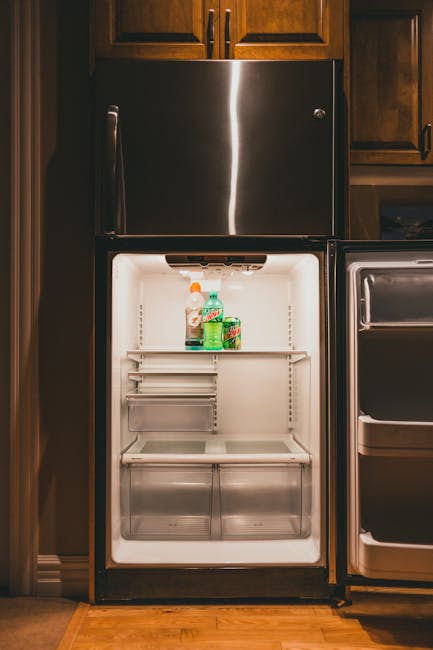
If you've ever tried to move a sagging mattress down a narrow Brompton staircase or wrestle a fridge through a hallway that feels a bit too small for comfort, you'll know this isn't ordinary rubbish removal. Dealing with mattresses and fridges in Brompton: safe disposal takes a little planning, the right handling, and a proper understanding of what should happen next. The good news? Once you know the process, it becomes far less stressful. This guide walks you through the safest, cleanest, and most sensible way to get rid of bulky items without making a mess of your day.
We'll cover why safe disposal matters, how the process usually works, what to avoid, and how to choose the most practical route for your situation. You'll also find a checklist, a comparison table, and a few real-world tips that come from doing this kind of work in tight London properties where access can be tricky and time is rarely on your side.
Why Dealing with Mattresses and Fridges in Brompton: Safe Disposal Matters
Mattresses and fridges are two of the most awkward household items to remove properly. They are bulky, heavy, and often contain materials that need the right treatment after collection. A mattress can trap dust, moisture, and general wear from years of use. A fridge can still contain refrigerants, oils, plastics, wiring, and metal that should not simply be dumped anywhere. That's why safe disposal is more than tidying up; it's about handling the item responsibly from doorstep to final processing.
In Brompton, the practical challenge is often the property itself. Many homes and flats have stairs, shared entrances, limited parking, and neighbours close by. Carrying a bulky item the wrong way can damage walls, scratch floors, or create a proper nuisance for everyone involved. To be fair, nobody wants a hallway full of foam dust or a fridge left on the pavement waiting for the wrong kind of attention.
Safe disposal also matters because it reduces the risk of fly-tipping, injury, and unnecessary environmental harm. If you hand the job to the wrong operator, the item may be taken away cheaply but handled badly. That can come back as a headache later, especially if the waste is traced back to your property or if the removal was not documented properly.
Expert summary: The safest approach is the one that protects your property, keeps the item out of the wrong waste stream, and gives you confidence that it has been removed responsibly. Simple, yes. Always easy, not quite.
How Dealing with Mattresses and Fridges in Brompton: Safe Disposal Works
The process is usually straightforward once you break it into stages. First, the item is identified and assessed. A mattress may need to be wrapped or protected to keep dust and fibres contained. A fridge should be checked for safe movement, doors secured if needed, and any access obstacles planned around in advance.
Next comes the collection. In a Brompton setting, that often means thinking about stair width, lift access, parking restrictions, and whether the item can be moved without blocking neighbours or damaging shared spaces. A good removal team will think ahead rather than improvise at the front door. That might sound obvious, but let's face it, the obvious bit is often where people go wrong.
After collection, the items should move into the correct waste stream. Mattresses are commonly separated for component recovery where possible, while fridges are treated with extra care because of refrigeration-related components and the need to prevent harmful release during processing. You do not need to know every technical detail yourself, but you should expect the handler to know the difference.
For most households, the decision is between DIY transport, a council route if suitable, or a professional removal service. Each has its place. The right option depends on urgency, access, item size, and how much lifting you want to do yourself on a Tuesday morning when the building is already busy and the lift is behaving badly.
A simple version of the process
- Check the item size, weight, and access route.
- Decide whether you can move it safely without damage or strain.
- Prepare the item so it can be collected cleanly.
- Arrange a removal method that suits the property and timing.
- Make sure the item ends up in the appropriate disposal or recycling route.
Key Benefits and Practical Advantages
Safe disposal is not just about avoiding mistakes. It can genuinely make life easier. The first benefit is simple peace of mind. When you know a fridge or mattress will be removed properly, you do not end up waiting around, wondering whether the item will still be clogging up the hallway next week.
Another practical advantage is reduced disruption. In flats and shared buildings, a quick, organised collection means less time with doors wedged open and fewer awkward moments with neighbours squeezing past. That matters more than people realise. A well-run removal feels almost invisible, which is exactly how it should be.
There's also the matter of safety. Mattresses can be unwieldy, and fridges are often heavier than they look. Moving them without proper handling can cause strained backs, trapped fingers, or scuffed walls. In older Brompton buildings, with tight corners and uneven floors, the risk can rise quickly.
Finally, there is the environmental side. Responsible disposal gives useful materials a better chance of recovery and helps keep avoidable waste out of the wrong place. If sustainability matters to you, services that mention recycling and sustainability are usually worth a closer look.
Who This Is For and When It Makes Sense
This topic matters to all sorts of people. Some are moving out of a flat and want the bedroom cleared before handover. Some are replacing an old fridge during a kitchen upgrade. Others are dealing with a property that has been empty for a while and needs a proper reset. If you're in any of those camps, you're in the right place.
It also makes sense for landlords, letting agents, and property managers. A mattress left behind after a tenancy or a dead fridge in a utility room can delay viewings and create a poor impression. If you manage multiple properties, the ability to clear bulky items quickly is more than convenient - it keeps the whole operation moving.
And then there are the in-between situations. Maybe the mattress is technically still usable, but not for long. Maybe the fridge is broken but only because of one component. Maybe you simply do not have a vehicle large enough to move it. Those situations are common, and they are exactly where a practical removal solution starts to make sense.
If you're handling a wider property clear-out, it may help to look at related support such as home clearance, house clearance, or even flat clearance if the property is compact and access is limited.
Step-by-Step Guidance
Here's the practical part. If you want the smoothest possible disposal, work through it in order rather than trying to rush the whole thing in one go.
1. Identify what you're moving
Start with the basics. Is it a standard mattress, a mattress topper, a double fridge, a fridge-freezer, or an integrated appliance? A small detail can change how the item is handled. For example, an integrated fridge can be more awkward to remove because it may be fixed into cabinetry.
2. Measure the access points
Check doors, lifts, hallways, and stair turns. This is where good intentions meet reality. A fridge that looks manageable in the kitchen can suddenly feel enormous in a narrow staircase. If there is a tight corner, you want to know that before anyone starts lifting.
3. Prepare the item safely
For mattresses, remove bedding, protect surrounding surfaces if needed, and keep the route clear. For fridges, empty the contents, defrost if appropriate, and secure loose shelves or trays. Never rush the process if the appliance still has ice inside; it becomes messy in a hurry.
4. Choose the right removal method
You can move the item yourself if it is safe and manageable, but many people decide it is not worth the strain. A professional waste removal or furniture disposal route is often the cleaner option, especially when stairs or parking restrictions are involved. If you need broader collection support, a waste removal service may be the most flexible route.
5. Confirm responsible handover
Once the item is collected, check that you've used a reputable service and that the disposal route makes sense for the item type. Good operators will be clear about what they can take and how they handle bulky waste. No drama, no mystery. Just a proper job done properly.
Expert Tips for Better Results
First tip: do not wait until the last minute. Mattresses and fridges are not the kind of items you want to move when you're already in a rush. Build in a buffer, especially if you're working around a move-out date or a kitchen delivery.
Second tip: think about the route, not just the item. The hallway, the threshold, the lift, the pavement outside - all of it matters. I've seen jobs go from simple to awkward because someone forgot about one small step outside the front door. Tiny detail, big difference.
Third tip: if the item is part of a larger clear-out, combine it with the rest of the work. That often saves time and reduces repeat disruption. For instance, a mattress removal can sit alongside a general bedroom clear-out or a bigger furniture clearance if you're replacing several items at once.
Fourth tip: ask about care for floors and shared areas. In Brompton, that can matter a lot. A quick check on protective measures before the team arrives can save you the hassle of dealing with scratches later. Honestly, that little conversation is worth it.
Fifth tip: stay realistic about physical lifting. Fridges are deceptive. They are often more awkward than they look, and mattresses can catch air like a sail when you least want them to. If you feel unsure, step back and let trained handlers do the heavy work.
Common Mistakes to Avoid
One of the biggest mistakes is assuming that all bulky waste is handled the same way. A mattress and a fridge are both large, yes, but they are not the same kind of item. Treating them as identical can lead to poor handling or the wrong disposal route.
Another mistake is trying to force the item through a space that is simply too tight. It sounds brave in the moment, but bravery and a scratched wall are not a great combination. If access looks difficult, stop and reassess before someone gets hurt.
People also forget to remove contents properly. A fridge left with food inside can create unpleasant smells very quickly, and a mattress left with bedding attached makes collection more awkward than it needs to be. Small prep jobs matter.
Then there's the classic mistake of choosing the cheapest option without checking what is actually included. Cheap is fine if it is properly done. Cheap and vague is another matter entirely. You want clarity, not guesswork.
Finally, don't overlook the wider property context. If the mattress came from a loft, or the fridge is being cleared from a garage, think beyond the single item. Services like loft clearance and garage clearance can be more practical when the job has clearly grown beyond one piece of furniture.
Tools, Resources and Recommendations
You do not need a huge toolkit, but a few practical items make the job easier. Gloves help with grip and basic protection. Moving blankets, straps, or protective covers can reduce damage to the item and the property. A tape measure is surprisingly helpful too. People underestimate that one all the time.
If the mattress is being handled before collection, a mattress cover or wrap can help keep fibres contained, especially in communal buildings. For a fridge, a dolly or suitable moving aid may be useful, but only if it is appropriate for the stairs and the weight involved. If there's any doubt, don't wing it.
From a service perspective, look for clear pricing, sensible communication, and a proper understanding of access problems. If you're comparing providers, a page such as pricing and quotes can help you understand what to ask before booking.
It's also worth checking the company's approach to handling, safety, and responsibility. A trustworthy operator will usually be happy to explain their process in plain English. Pages like insurance and safety and health and safety policy can give a useful sense of how seriously they take the work.
Law, Compliance, Standards and Best Practice
For this kind of disposal, the key point is simple: waste should be handled responsibly and passed to the correct route. In the UK, people are expected to make reasonable choices about who removes their waste and what happens to it next. You don't need to memorise every regulation to act responsibly, but you do need to avoid handing bulky waste to someone who looks unreliable or unwilling to explain their process.
Fridges deserve particular care because they are not just heavy appliances; they may contain parts that require specialist treatment. That is one reason why fridge disposal should never feel like a casual afterthought. Mattress disposal is different but still benefits from proper segregation and handling so materials are managed appropriately.
Best practice usually includes:
- using a legitimate, traceable disposal route;
- keeping access safe for residents and neighbours;
- protecting floors, walls, and communal areas;
- separating special items from general waste where needed;
- avoiding fly-tipping and informal dumping;
- being upfront about access, weight, and item condition.
If you are a landlord, managing agent, or business, your responsibilities can be broader because the scale and frequency of disposal may be higher. In those cases, it can help to review business waste removal or broader office clearance options when the items are part of a commercial space rather than a home.
Options, Methods, or Comparison Table
There are several ways to deal with mattresses and fridges in Brompton. The best choice depends on access, urgency, budget, and how much physical work you want to take on yourself. Here's a simple comparison to help.
| Method | Best for | Pros | Watch-outs |
|---|---|---|---|
| DIY disposal | Very small, manageable items and easy access | Can be cheaper if you already have transport | Heavy lifting, transport hassle, and disposal uncertainty |
| Council route or scheduled collection | People with time to wait and item types that fit the rules | Can be convenient when available | Timing may be limited and item rules can be strict |
| Professional bulky waste removal | Mattresses, fridges, and awkward access in flats or houses | Fast, safer, less disruption, usually more straightforward | Costs more than self-moving, though often better value overall |
For many Brompton households, the professional route is the most practical. It is especially useful if you need to clear several items together or you simply want the job done without a long Saturday disappearing into the back of a van. If the mattress is part of a furniture refresh, a dedicated furniture disposal option can fit neatly into the plan.
Case Study or Real-World Example
A common Brompton scenario goes like this. A resident in a second-floor flat wants to replace an old mattress and an ageing fridge before a move. The stairwell is narrow, the entrance has a tight turn, and parking outside is far from ideal. On paper, it looks manageable. In practice, it's a bit of a faff.
Instead of trying to drag the items out separately over several days, the resident arranges one coordinated collection. The mattress is wrapped, the fridge is emptied and unplugged in advance, and the route is cleared of shoes, bags, and the usual day-to-day clutter that accumulates near a front door. The collection itself is quicker than expected because the awkward parts were dealt with beforehand.
What made the difference? Planning, not force. No heroic lifting, no damage to the corridor, no awkward pause while everyone waits for the fridge to decide whether it fits through the turn. That is the kind of calm result people often want, even if they don't say it out loud.
Practical Checklist
Use this checklist before collection day. It keeps things tidy and reduces last-minute stress.
- Confirm whether the item is a mattress, fridge, or both.
- Measure access points, including doors, stairs, and lifts.
- Clear the route from the room to the exit.
- Remove bedding, food, loose shelves, and other contents.
- Protect floors or walls if the route is tight.
- Check whether the item needs wrapping or securing.
- Decide whether you need help with other bulky items too.
- Ask how the disposal will be handled after collection.
- Keep neighbours informed if access may be temporarily blocked.
- Make sure the collection time works with parking or building access rules.
Quick reminder: the cleanest jobs are usually the ones prepared a little in advance. Nothing dramatic, just a few sensible steps done early.
Get a free quote today and see how much you can save.
Conclusion
Dealing with mattresses and fridges in Brompton: safe disposal is really about making the bulky stuff manageable. Once you understand the access issues, the handling needs, and the right disposal route, the whole process becomes much less daunting. You protect your property, reduce stress, and avoid the sort of messy shortcuts that never seem worth it in hindsight.
If you're faced with a mattress that needs to go, a fridge that's had its day, or both at once, the smartest move is usually the calm one: plan it properly, choose a responsible route, and let the job be done cleanly. That's the difference between a frustrating chore and a smooth finish. And that, honestly, is a relief.
When you're ready to take the next step, it helps to work with a team that understands bulky item removal, safe handling, and the realities of local access. If your clear-out is part of a bigger property job, you may also find house clearance or home clearance useful as part of the wider plan.
Frequently Asked Questions
Can I put a mattress or fridge out for normal rubbish collection in Brompton?
Usually not. These are bulky items and often need a specific collection or disposal route. It is better to check the most suitable method rather than leaving them outside and hoping for the best.
Do mattresses and fridges need to be handled differently?
Yes. Mattresses are bulky soft furnishings, while fridges are appliances with components that require more careful handling. They both need responsible disposal, but the process is not the same.
What should I do before a fridge is collected?
Empty it, remove loose contents, and allow enough time to defrost if needed. Also make sure the route out of the property is clear. A damp trail through the hallway is nobody's idea of a good day.
Can a mattress be collected from a flat or top-floor property?
Yes, provided access is safe and the item can be moved without damage. Narrow staircases, lifts, and shared entrances are all factors that need to be considered in advance.
Is professional bulky waste removal worth it?
For many people, yes. It saves lifting, reduces the risk of damage, and often makes the process far less stressful. If access is awkward, it can be the most practical choice by a mile.
What happens to a fridge after collection?
It should be passed into the correct processing route for appliance waste. The exact process depends on the item and the handler, but the key point is that it should not be treated like ordinary rubbish.
Can I dispose of a mattress and fridge together?
Yes, and in many cases that is the easiest option. Combining bulky items into one removal can save time and reduce repeated disruption to your home.
How do I know if a disposal service is trustworthy?
Look for clear communication, sensible pricing, and a straightforward explanation of how the waste will be handled. A trustworthy provider should be comfortable talking through the process without sounding vague.
What if the mattress is old but still usable?
If it is still in good condition, you might consider reuse or donation routes where appropriate. If it is worn, stained, or damaged, safe disposal is usually the more realistic answer.
Are there risks in moving a fridge myself?
Yes. Fridges are heavy, awkward, and can be difficult to control on stairs or through tight spaces. A slip or awkward twist can cause injury or damage, so it's worth being cautious.
Does mattress disposal need special preparation?
Basic preparation helps a lot. Remove bedding, keep the route clear, and wrap the mattress if the collection method calls for it. That keeps the job tidier and simpler.
What if I'm clearing a whole property rather than just one item?
Then it may be better to look at a wider clear-out service rather than handling each bulky item separately. For bigger jobs, flat clearance or home clearance can be a better fit.
If you want a smoother, safer way to remove bulky items without the usual lifting drama, start with a plan and choose the route that fits your property, your timing, and your peace of mind.